

- English Page from the link below
🌏 English Page 🌏
- หน้าแรกเป็นภาษาไทยสามารถดูได้จากด้านล่าง
🇹🇭 ไทย Thai Page 🇹🇭
当プロジェクトの取組
社会の成熟に伴い高齢化が進行するタイにおいて、国際協力機構(JICA)草の根技術協力事業「地域活性型」のスキームを活用し、日本とタイ双方の経験を学び合いながら、地域に根差した高齢者ケアの取組が持続的に発展・普及する体制を構築しています。タイの基礎自治体および日本の神奈川県湯河原町が主体となり、NGOや大学、中央省庁や民間事業者といった多機関ネットワークを拡大しながら、地域住民と地方行政のエンパワメントにより、各地の自律的な取組やイノベーションを後押しします。
コミュニティベース統合型高齢者ケア
医療・介護・リハビリテーション・健康増進・生きがいづくりなど各取組が、地域コミュニティの力や資源を活用し、縦割りではなく統合的に連携して実施される体制
「国際協力」の新たな手法
- 外務省開発協力白書2022年度版での紹介(コラム "国際協力の現場から" #6)

- 朝日新聞に掲載された国際協力マネジメント手法に関する記事
急速に高齢化が進む中進国タイ 「学び合い」による国際協力の試み
高齢化が急速に進み、大きな社会課題になっているタイでは、自治体がネットワークをつくり、学び合う自律的な動きが始まっています。東京都市大の沖浦文彦さんの解説です…

① 急速に進むタイの高齢化への対策
世界的に進行する高齢化(Global Ageing)の中でも、特にタイはその速度が非常に早く、1人あたりの医療費も急速に増加しています。今後財政が不十分なまま、社会の医療および介護の負担増加が予見されています。この状況に対応するため、これまで中央政府直轄の国立病院が主な中心となり、要介護高齢者への在宅ケアやリハビリテーション、デイケアセンターの整備による通所リハビリテーション環境の構築が、各地で試行的に進められてきました。
他方、医療資源や財政面の制約から国民全体に十分なサービスを提供することが難しく、結果として、脆弱な状況におかれている要介護高齢者本人のみならず、その家族のリスクにもなっている現状があります。タイ国家高齢者計画にもある通り、コミュニティベースの高齢者ケア体制を「住民にもっとも近い」行政組織であるタイの基礎自治体が主導し、住民ボランティアや民間企業、公的施設など地域の力を最大限活用しながら築いていくニーズが高まっています。
このような背景を踏まえ、各々の地域コミュニティに根差し、取組が(縦割りではなく)統合的に実施される高齢者ケアの普及を目指し、当事業を実施します。
2022年8月、これまで住民と自治体が主体となって高齢者ケアの仕組みづくりに尽力してきたパトムタニ県ブンイトー市を含め、タイの自治体9か所がネットワークを組織し、当プロジェクトが開始しました(2022.8.締結式)。2023年7月には、新たに17か所が参画し、全体として26自治体のネットワークが構成されました(2023.7.署名式)。さらに2024年11月には、13ヶ所が加盟し、ネットワークは39の自治体へと広がりました(2024.11.署名式)。
‣参照:自治体ネットワーク組織の経緯
【2023. 12. 1】自治体国際化協会の機関誌に、当プロジェクトの開始背景やネットワークの広がりについて記事が掲載されました!/ Project's background & network's expansion introduced in the article on CLAIR Forum
当プロジェクトの2022年8月開始以前の背景や、プロジェクトを通じたタイの自治体ネットワークの広がりについての内容が、「自治体国際化フォーラム410号 - 国際協力・国際…
 SMART & STRONG Project
このようなタイ各地での自律的な活動と、ネットワークを通じた学び合いにより、1)デイケアセンター運営、2)ケアマネジメント、3)ボランティアによる見守り活動、4)住民主体の介護予防や健康増進、5)生きがいづくりのための活動、6)研修を受けた有償ボランティアによる「介護」、7)認知症カフェ、8)認知症サポーター養成講座など、日本の事例も参照しながら、様々な取組が発現・普及してきました。
今後も、タイの基礎自治体や神奈川県湯河原町をはじめとする多機関のネットワーキングを通じて、国境を越えた知見や人材・技術の環流、各地の状況に応じた取組の共創を進めていきます。将来的には周辺国にもネットワークを拡げ、更なる国や地域の参画により、学び合いの輪を深めていく事を見据えています。

② 「対等な学び合い」による相互協力
当事業の大きな特徴のひとつは、タイの自治体間、そして日タイ間での対等な関係を基にした学び合いの実践です。
従来は、経済先進国が開発途上国への対外援助として行う国際協力が主流でしたが、昨今はタイをはじめとする新興国の社会経済発展も進み、共通課題に対して各国が取組を共創する機運も高まっています。
「国際協力」の在り方も多様化する中、当事業ではネットワークを構成する対等な立場の関係機関が、各々の持つ多様な背景を生かし、知恵を出し合える場づくりを重視しています。
超高齢社会にある日本は、世界的に見ても人口高齢化を先行して経験してきており、高齢者を社会全体で支える公的制度によって、サービスの質や内容がきめ細やかに整備されてきました。しかし、その緻密さ故に、規定された枠組を越えた新たな連携の創出、各地域や個別事例への柔軟な対応が難しい課題もあります。近年では、「要介護状態となっても、住み慣れた地域で最期まで自分らしく暮らしていく」ニーズが高まってきており、各地域の医療・介護・福祉資源を活用した「地域包括ケアシステム」の構築が推進されています。
タイでは従来、家族・親戚・近所の住民によるインフォーマルな高齢者ケアが一般的でした。核家族化や産業構造の変化が進む一方、高齢者とともに暮らす上で「コミュニティの中で支え合う」ライフスタイルが根付いており、規定によらず取組を柔軟に形作っていける幅が広いとも言えます。昨今は地方分権化が進み、「高齢者のケアは第一義的に本人、家族、地域コミュニティで担う」ことがタイ中央政府の方針として掲げられています。
当事業では、このように制度面や人口構造、文化や環境、暮らしぶりにおいても相違のある日本とタイにおいて、双方の知見や経験、課題や教訓を活かし合い、両国においてニーズが拡大しているコミュニティベース統合型高齢者ケアを共創します。
タイ国内の自治体間の違いや、日タイの国境を跨いだ違いがある前提のうえ、高齢化に対応する社会・地域づくりを目指す試みには共通点もあります。各々の取組から学び合う機会を後押しすることで、地域の外から新しい視点や刺激がもたらされる事を期待しています。また、タイ各地の自治体や住民がオーナーシップを握る事業運営により、新たな学びを自らの地域の制度・活動に落とし込む選択を自由に行い、地域の文脈に沿った取組が普及される事を見据えています。
③ 自治体を中心とした多機関ネットワーク
当事業には、基礎自治体や大学、民間事業者やNGO、政府機関など、日本とタイを拠点とする多様な組織や個人が協力しています。
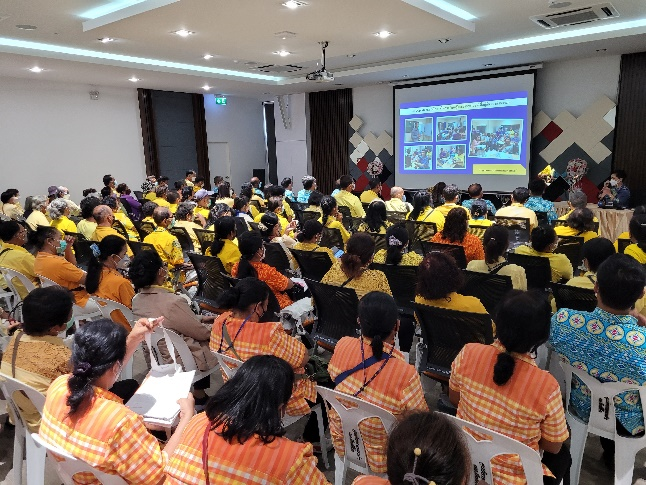
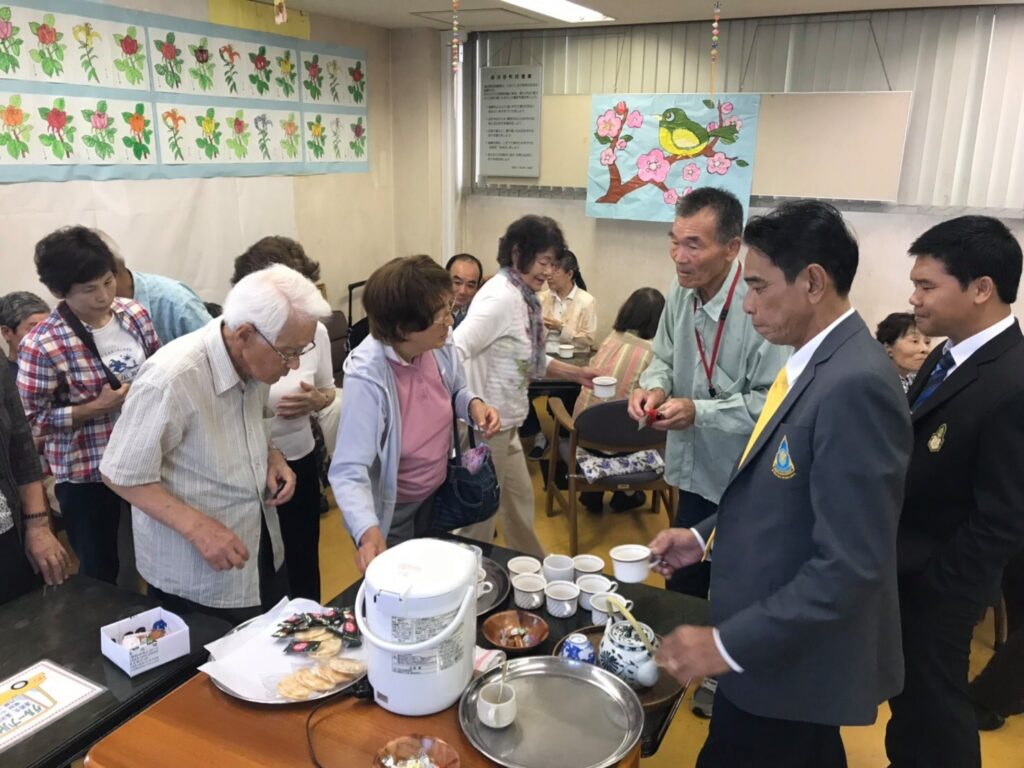
様々な組織や職種の視点に立ち、日本とタイを横断した研修や講座、現場視察、活動報告会を実施することで、知見や経験、技術を共有しています。また、各種メディアでの紹介や学会発表をはじめ、活動を広く公に発信する機会を積極的に設けています。これにより、タイ各地で先駆けて構築される「コミュニティベース統合型高齢者ケア」の啓発を促すと同時に、自治体職員や専門職、住民をはじめとする事業当事者のエンパワメントにも繋がることを目指しています。
また、従来の「モデル普及型」国際協力では、当事国の中央政府や海外援助機関から「現場」となる地域がトップダウンで指定され、そこで発現した仕組みを他地域の異なる文脈に即して展開する難しさもありました。
当事業では、「コミュニティベース統合型高齢者ケアの普及」という「地域ごと」「時代ごと」に実情が変化し得る目標に対して、タイ各地の現場が活動の意思決定をし実施する運営をしています。予算規模や人口構成をはじめ、都市/農村といった地理条件、宗教/文化といった社会経済条件など、多様な特徴を持つ自治体が参画しており、画一的ではない取組が全国各地で生まれ、それら事例を学び合いながら、地域特性や経時変化に即したコミュニティケアを普及することを目指しています。
特に、各自治体の予算で高齢者ケアの取組を進めていくことを原則としており、自らの予算を捻出をしてでも取り組もうと積極性のある自治体からネットワークへ参加しています。また、ある自治体が自ら予算を投入して創りあげた施策や活動は、他の自治体も同様に限られた予算のなかで取り組む際、外部からの多大な資金提供を受けて構築されたモデルよりも資金面での模倣がしやすく、先行事例として参考にしやすくなると考えています。
このように、基礎自治体や地域住民が活動の主導権を握って取り組む内容を、多機関により構成されたネットワークにより後押しすることで、(当事業の実施期間満了後にも)他の地域へと自然に普及していきやすい持続的な技術普及の体制を築くことを目指しています。
上述した「新しい」国際協力のアプローチを、JICA草の根技術協力事業のスキームを活用しながら実践することで、1)「草の根だからこそできる」各現場の自律的な取組のエンパワメントと、2)政府関係者や研究者、タイ全土に広がる自治体など多様な関係者を巻き込む、社会全体の変革を見据えたダイナミックな活動展開、これらの両輪を大切にプロジェクトを運営しています。


- SNSのフォローはこちらから / Please follow this project's social media